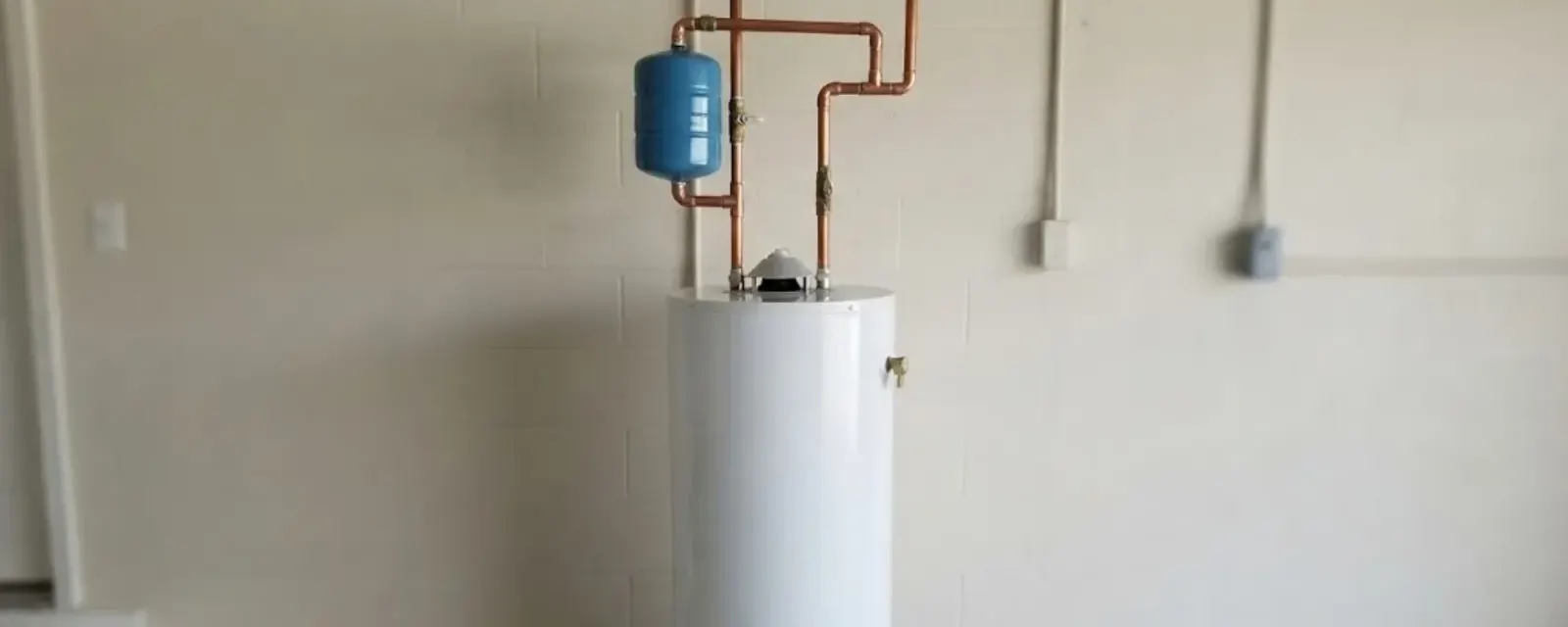
Water heater installation in Coronado, CA is a planned job when you are upgrading an old unit before it fails, adding a heater to a remodel or moving one to a better spot. It covers placement, fuel and power, venting, water connections, bracing and a city permit. Getting those decisions made first is what keeps the install quick on the day.
A water heater installation is the full set of work that makes a new unit safe and legal to run, not just setting a tank on the floor. Call (619) 927-0312 to talk through your layout. Planning calls can often land a same-day appointment when the schedule is open, and the price is set out before work begins.
Start with the location, because everything else follows it
Where the unit goes decides the vent route, the gas or electrical run, the length of hot water pipe to the kitchen and bath, and how easily a plumber can reach it for future service. A garage, a utility closet and a laundry room each bring different limits on clearance, ventilation and drainage.
A unit moved away from its old spot also needs new supply and drain piping, and sometimes new framing. If the plan touches walls or runs of pipe, the broader plumbing installation service covers that work alongside the heater.
Keep the unit near the fixtures that use the most hot water when you can. Long pipe runs waste water and make you wait for heat, no matter which type of heater you choose.
What changes on site: tank install versus tankless install
The two types ask for different things from the building. Seeing them side by side helps you judge whether your home is ready or needs prep work first.
Storage tank install
- Needs floor space, a drain pan where possible, and a relief valve discharge line to a safe spot.
- Reuses existing gas, vent and supply routes in a like-for-like change.
- Is strapped to the wall studs against earthquake movement.
- Often finishes in a half day when nothing else needs altering.
- Stores hot water, so the household can run short after back-to-back showers.
Tankless install
- Mounts on a wall and needs a vent sized for the burner, plus clearances set by the maker.
- Often needs a larger gas line, and an alteration triggers the sizing calculations described below.
- Needs isolation valves so the unit can be flushed later.
- Takes more planning than a tank swap and commonly more time on site.
- Heats water on demand, which avoids standby loss, but a long run of simultaneous use can exceed its flow rating.
Planning a new heater?
Call (619) 927-0312 to walk through placement, fuel and permit steps.
What to do before an installation visit
Clear a path to the heater and a working space of a few feet around it. Know where the main water shutoff is, and note whether the current unit runs on gas or electricity.
Photograph the data label on the existing tank and the surrounding pipes, vent and wiring. Keep children and pets out of the work area, and expect the water to be off for part of the visit.
The permit process and seismic bracing for a new install
The Building Division's permit handout says installation of water heaters, tankless units included, requires a permit. For a new install, that means the application comes before the work and the plan is on file when the plumber arrives. Ask who files it, and call the Building Division at (619) 522-7331 with questions specific to your address.
Gas piping is the other piece. The handout warns that an existing line may need alteration, and that work must be backed by sizing calculations from a licensed plumber. If the new unit sits at a different spot or burns more gas, expect those numbers.
Seismic bracing comes from state law, in Health and Safety Code 19211, which covers new heaters. Plan for strap hardware and solid wall backing from day one, because straps need something to bite into. Permit rules vary, so ask the Building Division about anything unusual.
Expansion tanks: what they do and when they matter
Heating water makes it expand. In a plumbing system with a backflow preventer or a pressure reducing valve, that extra volume has nowhere to go, so pressure climbs each time the heater fires. A small expansion tank, usually mounted on the cold line near the heater, soaks it up.
Signs of a missing or failed expansion tank include a relief valve that drips after heating cycles, banging pipes and faucets that spit at startup. The tank carries an air charge that must match your supply pressure, and a plumber checks it with a gauge at install.
Not every home needs one, and a plumber confirms that on site by measuring static pressure and looking at the valves on your supply line. When one is added, it is strapped or supported on its own, not left hanging from a copper pipe.
What to tell the plumber before the visit
- Say which fuel the old heater uses and where the gas shutoff or the electrical panel is located.
- Give the tank size, the number of bathrooms and how many people shower back to back on a busy morning.
- Describe the space, including ceiling height, door width and any step or stair on the route.
- Note the vent type and whether the flue passes through a wall or a roof.
- Mention any remodel plans, since a moved unit changes the permit scope and piping.
- Send a photo of the data plate and the area around the heater when you call.
From first call to hot water
Plan the layout
A short conversation and photos set the fuel, size, location and what the permit needs.
Confirm the price
You see a clear price covering the unit, parts, bracing, permit work and removal of any old heater before the job begins.
Install and brace
The plumber sets the unit, connects water, gas or power, adds the relief valve, expansion tank if needed and seismic straps.
Test and walk through
The tank or exchanger is filled, lit and watched for leaks and proper venting, and you learn where the shutoffs and reset controls are.
What drives the price of a new installation
A planned install has more variables than a swap, so fixed pricing without a look at the space is unreliable. The price arrives once the plan is settled, ahead of any work, and dollar figures stay off this page.
Type of heater
Storage, tankless and heat pump units differ in hardware, venting and labor.
Gas line and electrical work
Gas line alteration needs sizing calculations. A heat pump may call for a new circuit or a panel check.
Moving the location
New supply, drain and vent runs add materials and hours.
Code add-ons
Bracing, drain pan, expansion tank, relief valve and discharge line are part of a proper install.
Permit and haul-away
Permit paperwork and disposal of an old unit should be spelled out in the price.
Planned upgrades are rarely covered by home insurance, since nothing has failed yet. A policy may respond to sudden damage later, so keep your install paperwork.
Water Heater Installation questions in Coronado
Usually, yes. The home needs a suitable circuit, open air space around the unit and a condensate drain. The permit still applies, and a plumber checks panel capacity and the gas shutoff on site.
Yes, a permit is required, and that covers tankless units too. Confirm who files it when you book. The Building Division at (619) 522-7331 can answer questions about your specific address.
It depends on your supply setup. Homes with a backflow preventer or pressure reducing valve often need one. A plumber measures pressure and checks valves on site before saying yes or no.
Sometimes, but tankless burners draw more gas. If the line must be altered, the city handout calls for sizing calculations from a licensed plumber. Tell the plumber your meter size and pipe route.
California's code 19211 says new heaters must be secured against earthquake movement. A proper install includes the strapping hardware, anchored into wall studs.
It depends on the building's rules and your unit's layout, so check with the property manager or HOA first. Share what you learn when you call so the plumber can plan the vent route.
Our area includes towns near Coronado. The pages for Chula Vista and San Diego explain how visits work there.
Sources and standards behind this page
Every local rule or figure above comes from a published source, listed here so you can check it.
- City of Coronado Community Development, Building Division, Handout 301 (March 2025)
- California Health and Safety Code section 19211 (water heater earthquake bracing)